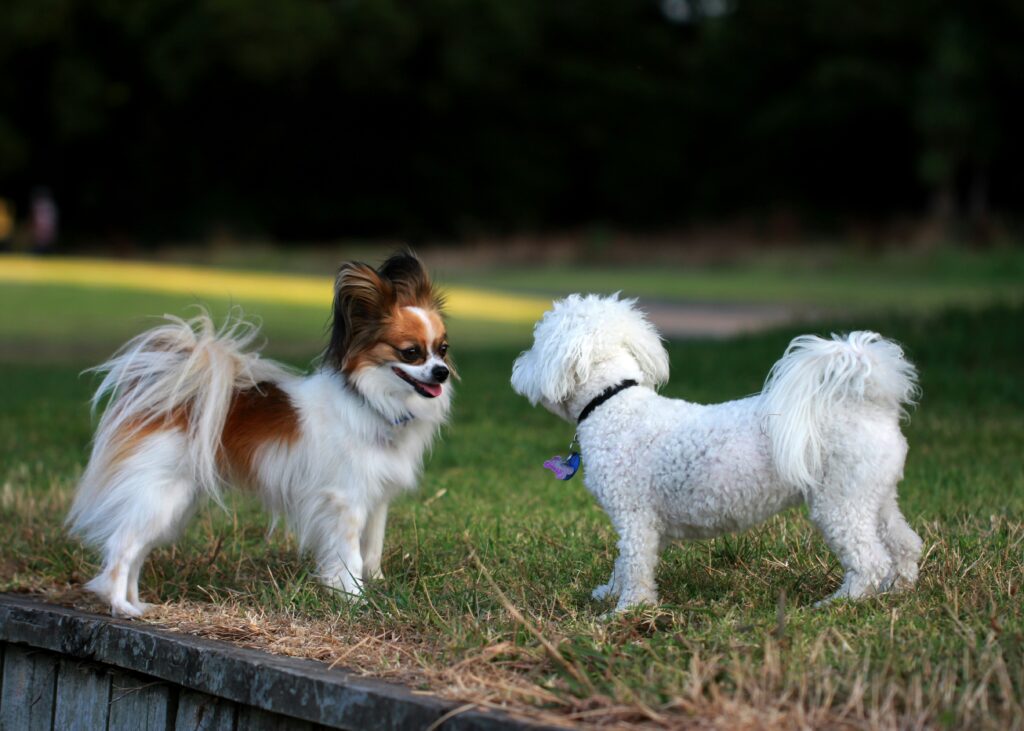
Introducing your new dog to resident dogs
Congratulations on adopting a new fur-baby into your family! When introducing your new dog to the existing dog/dogs, it’s important to note that first impressions count. Below are suggestions on how to set things up for success from the very first meeting so that integration is smooth.
Introducing on a neutral territory
It’s best to let dogs become familiar with each other on neutral territory: outdoors. Each dog should be walked separately on a leash, and each walker should have a bag of small tasty treats. If your resident dog already has a place such as a nearby park or field where they interact with other dogs in a healthy way then this would be the ideal place. Be aware of your own body language and try to remain relaxed, as many dogs can pick up subtle stress cues from their owner. If they sense that you are treating this as something positive, they will often take the cue from you.
At first, walk the dogs at a distance where they can see each other but are not too provoked by each other’s presence. If you have an existing dog that’s not great with other dogs, or does not have a good socialisation history, it’s important to proceed slowly and get help if needed. Obviously two people are needed, one with each dog. The reason why we suggest walking dogs next to or behind each other is that face-to-face greetings or stationary greetings at first can be too confrontational for many dogs. Walking alongside each other will then allow the dogs to pick up each other’s scents, and dogs take in a lot of information through their strong sense of smell. Both walkers should reward their dogs with treats for being calm and not responding to each other.
Pay attention to each dog’s body language
Watch carefully for body postures that indicate a defensive or wary response, including hair standing up on the dog’s back, teeth baring, growling, a stiff-legged gait or a prolonged stare. If you see such postures, immediately and calmly interrupt the interaction with some food and increase the distance between them. If the dogs seem relaxed and comfortable, you can shorten the distance. Offer treats to the dogs any time in a relaxed manner. Don’t use any physical or verbal reprimand at any point.
Again, offer treats to the dogs any time they look at each other in a relaxed manner. Don’t punish this behaviour with any physical or verbal reprimand.
Let the dogs determine the pace of the introduction
Once they start showing more relaxed interest in each other you can drop the lead if your resident dog has a good recall or if it’s safe to do so. Another good option is to switch them to long leads, where you can still give them the sense of freedom to greet but still be able to control them if needed. Long leads are also a great way to teach your dog to come to you when walking your dog off the property.
Interactions should be short and positive to start with. This leaves both dogs wanting more and therefore makes the next interaction much easier. Several short greetings in one session or walk are preferable to just putting them together to sort things out between them.
Leashes
At first it’s good to have dogs on leash so that you have control over the situation. However, leashes should never be tight, especially when dogs get to sniff each other. If one dog starts pulling towards the other dog, rather try to distract them with a treat or a toy to follow you and then gradually work your way closer again.
If it’s going well you can then drop leashes and allow for freer interaction. Read both dogs’ body language and if it starts to get tense simply pick up the leash and distract with a treat. If either shows reactive behaviour such as lunging, growling, barking, do not punish them. Simply move them away in a neutral way and start the introduction over at another time.
Once they start showing more relaxed interest in each other you can drop the lead if your resident dog has a good recall or if it’s safe to do so. Another good option is to switch them to long leads, where you can still give them the sense of freedom to greet but still be able to control them if needed. Long leads are also a great way to teach your dog to come to you when walking your dog off the property.
Interactions should be short and positive to start with. This leaves both dogs wanting more and therefore makes the next interaction much easier. Several short greetings in one session or walk are preferable to just putting them together to sort things out between them.
Monitor closely in the home
When bringing the new dog home, ensure that all toys, treats, beds are packed up. First, introduce them outside before bringing the new dog inside. You can drop the leads so that they can freely interact but you can still have some control if you need. Take care that leads do not get caught on furniture so supervision is necessary at this stage.
When first introducing the dogs in the home, use a sturdy, tall baby gate or other type of barrier to separate them. Observe how they interact through the gate. Reinforce positive behaviour by providing high-value treats to the dogs for positive interactions.
Make sure that there are no toys, food or treats left around the home that the dogs could potentially fight over. Also, be aware of the situations that could lead to conflict — for example, when the dogs get overly excited. Closely monitor the dogs when they are together, rewarding them with treats, until you are 100% confident they are comfortable and safe with each other.
Reward the resident dogs with treats or praise for friendly calm behaviour around the new one. It helps the dog form a positive association with the new dog (i.e. new dog means treats). Walking together and doing other (calm) activities together will build good relationships. It is also important you maintain some alone time with the resident dogs so that they continue to enjoy the bond you share.
Shelter and rescue dogs will experience some adaptive stress while they settle into their new home. This may lead to temporary house soiling or chewing. Use positive reinforcement to reward the behaviour you want. Punishment and reprimand only increase the stress level even more.
While we enjoy seeing dogs run and play together, each dog is a unique individual with their own preference. The reality may not be the same as the picture of your dream right now. It is important to be realistic and manage our own expectations as you train your dog in the direction you want.